

by Critterman on August 24, 2026 at 9:00 am
This article was originally published on Critter Science. The sand goanna, aka Gould’s monitor, sand monitor, and racehorse goanna, is a large monitor lizard found throughout most of Australia. These lizards face the threat of predation by the invasive species known as the red fox. They also fall victim to consuming the deadly cane toad. Habitat loss and Thanks for reading! Follow Critterman […]

The Vancouver Coastal Sea Wolf
by Critterman on August 21, 2026 at 8:00 am
This article was originally published on Critter Science. The Vancouver Coastal Sea wolf, aka Vancouver Island wolf, coastal wolf, or sea wolf, is a subspecies of grey wolf, endemic to the coastal regions of the Pacific Northwest. These wolves face the threat of retaliatory killing and the historical culling that occurs because they sometimes prey on domestic livestock Thanks for reading! Follow […]
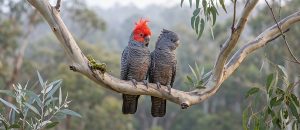
by Critterman on August 20, 2026 at 9:00 am
This article was originally published on Critter Science. The gang-gang cockatoo is the only species in the genus Callocephalon. Their name hails from the New South Wales Aboriginal Wiradjuri language. These birds face the threats of habitat loss and destruction at the hands of residential and commercial developments. Land clearing along the slopes of the Great Dividing Range, Thanks for […]

by Critterman on August 19, 2026 at 9:00 am
This article was originally published on Critter Science. The European hoverfly, aka syrphid or Terrasjeskommazweefvlieg (yes that’s a name), hails primarily from Europe, but also inhabits Asia and some African territories. They face the threats of habitat loss and destruction at the hands of residential and commercial developments. They’re also mildly threatened by the harlequin ladybird. […]

by Critterman on August 18, 2026 at 9:00 am
This article was originally published on Critter Science. The cownose ray gets its name from the 2 lobes at the front of their head that resemble a cow’s nose. They prefer shallower waters and estuaries. Being migratory, these critters will dwell as far north as Chesapeake Bay in the summer and as far south as southern Brazil in Thanks for reading! Follow Critterman for more updates and […]